Children and teens
For parents: watching, the door, and what to bring
What happens around a children's class, before it starts and after it ends.
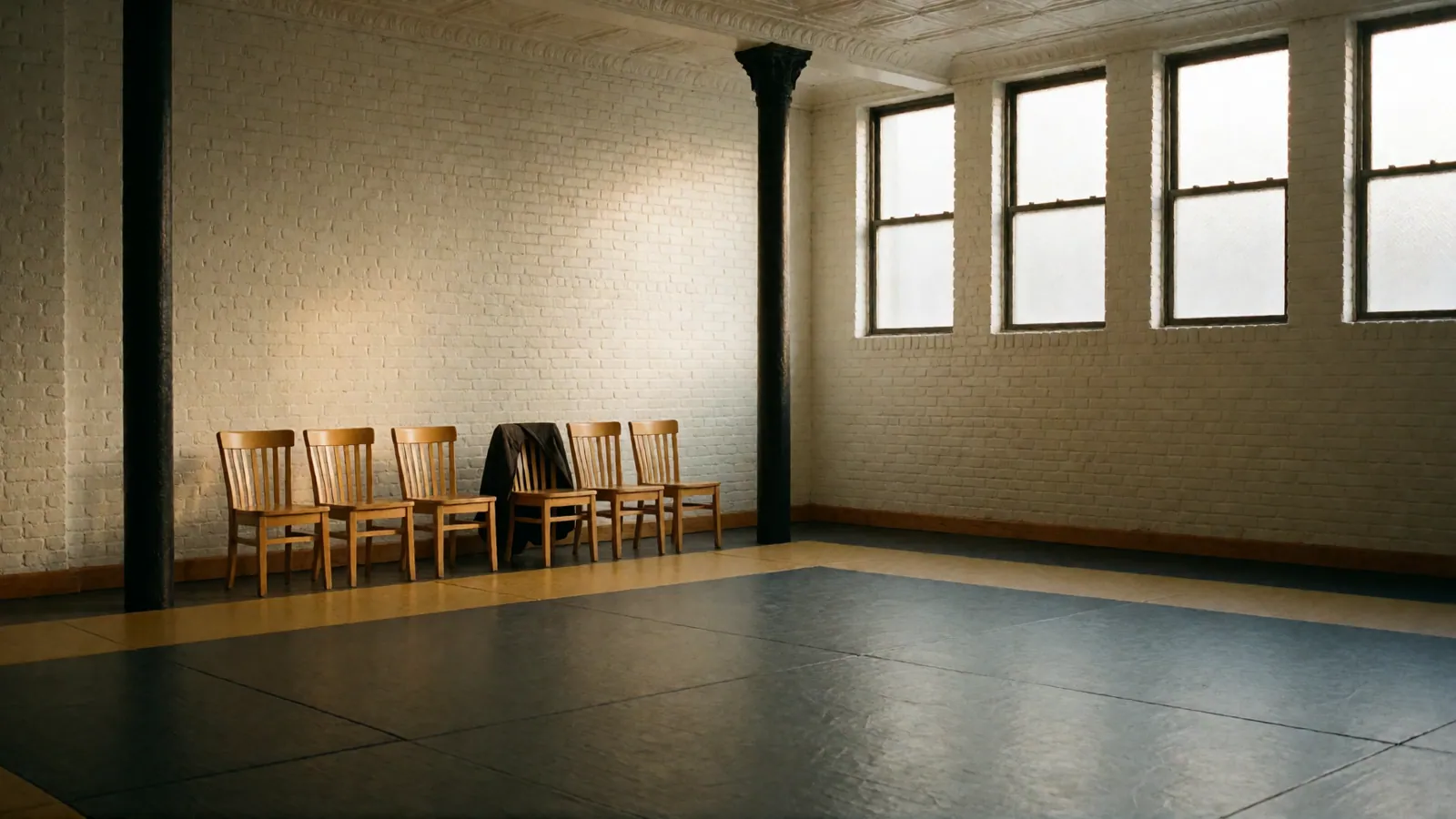
AI-generated illustration. Not a real school.
Watching
The school is on the ground floor, level from the street, with changing rooms and restrooms on the same floor and a row of chairs at the edge of the main mat where parents can watch.
Watching is welcome, from the chairs rather than the mat. Coaching from the chairs is not: in class a child listens to one adult at a time, and that is the instructor.
Early Steps children train at most two forty-minute classes a week, and a parent or another adult the family chooses stays on the premises for the whole class.
At the door
These are martial arts classes, not child care. For our 4 to 6 group, a parent or another adult you choose stays in the waiting area during class. For older children, please drop off and collect at the door at the class times; we don't collect children from school and we don't run camps.
Marisol Ocampo sets the children's classes' rules: the count, the turns, the safe falls, and the door at collection time.
Arrive a few minutes before the class so shoes are off and the bathroom visited before the count starts, and collect at the door when it ends: the next class is often already lining up.
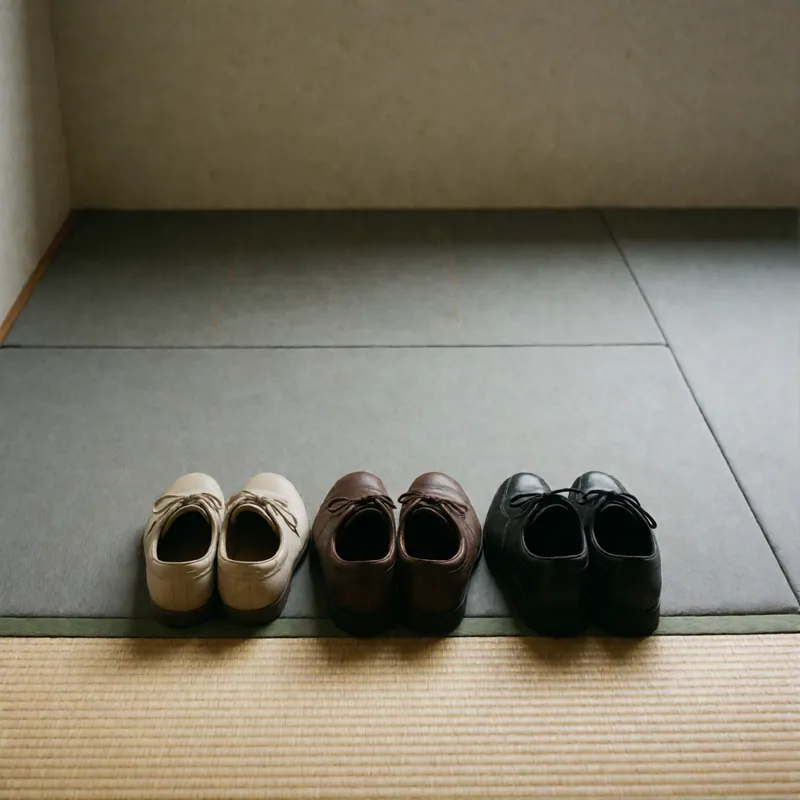 AI-generated illustration. Not a real school.
What to bring
Nothing to buy before the trial class.
A T-shirt and shorts or leggings without zips or pockets, and a bottle of water. Shoes stay off the mat. For a striking class the desk lends gloves.
Put a name on the water bottle; small ones look alike.
What we don't promise
A class can be described exactly. What it does for a particular child cannot be promised.
What children practice here. Children learn to listen to a count, take turns, fall safely, look after a partner and try again after a correction. What that becomes outside the school depends on the child, so we promise nothing about confidence, focus, behavior or grades.
The adults on the mat, and the form at the desk
Two part-time assistant coaches make every children's class two adults on the mat; one speaks Tagalog and one Bengali.
Classes are taught in English. Portuguese, Japanese, Spanish, Tagalog and Bengali are spoken by somebody on the staff.
Marisol leads the children's program: Early Steps, the children's jiu-jitsu and the Friday open mat. Parents who would rather talk in Spanish can ask for her at the desk.
Who teaches children. We check every instructor against the New York and national sex offender registries before they teach, and again every five years.
A defibrillator on the wall. We keep a defibrillator (AED) on site, and someone trained in CPR and AED use is on duty whenever we're open, as New York law requires of clubs with 50 or more members.
The form at the desk. Before your first class you'll sign a participation form: it covers our safety rules and lets you tell us about any health matters. Martial arts carry some risk of injury, and we work to keep training safe. The form doesn't take away any of your legal rights.
What parents ask
What age can my child start?
At four, in Early Steps. Early Steps children train at most two forty-minute classes a week, and a parent or another adult the family chooses stays on the premises for the whole class.
Can I watch my child's class?
Yes: there is a row of chairs at the edge of the main mat, and for Early Steps a parent stays on the premises anyway.
Do you pick children up from school?
These are martial arts classes, not child care. For our 4 to 6 group, a parent or another adult you choose stays in the waiting area during class. For older children, please drop off and collect at the door at the class times; we don't collect children from school and we don't run camps.
How are the children's classes supervised?
Two adults on the mat in every children's class, and a cap on the number of children: twelve in Early Steps, sixteen in the others. We check every instructor against the New York and national sex offender registries before they teach, and again every five years.
Is there a family price?
A second and every later member of one family pays $15 less on their own agreement, every month.
What if I get hurt?
Tell the instructor at once and stop. We keep a defibrillator (AED) on site, and someone trained in CPR and AED use is on duty whenever we're open, as New York law requires of clubs with 50 or more members.
Try one class first
Book your trial class, free once a year per person with no card and nothing to cancel afterwards, into a real class on the timetable. For a child's class or a course, ask for a place, and if it is full you join its waiting list in order.