$109 a month plus tax
Early Steps
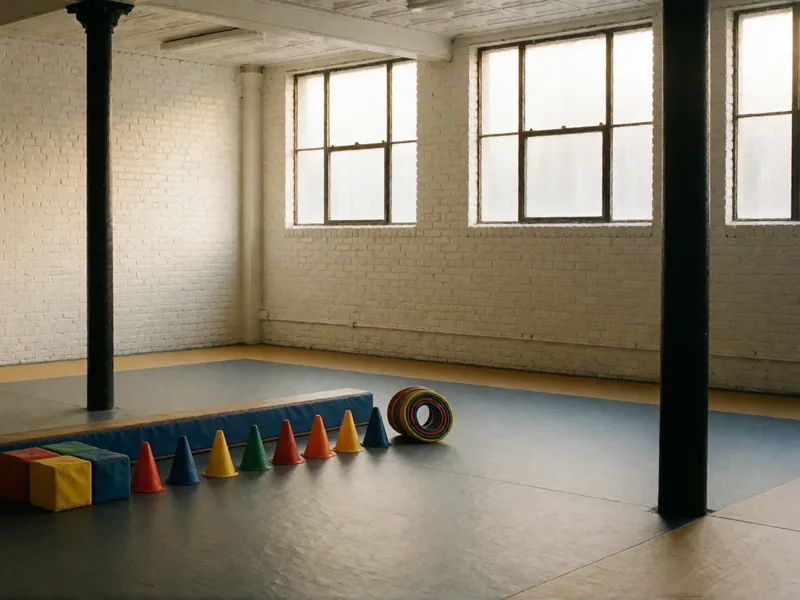
Listening to a count, balancing, falling safely and the first karate basics, through games.
One free class, once a year per person, no card.
37-32 61st Street, Woodside, NY 11377
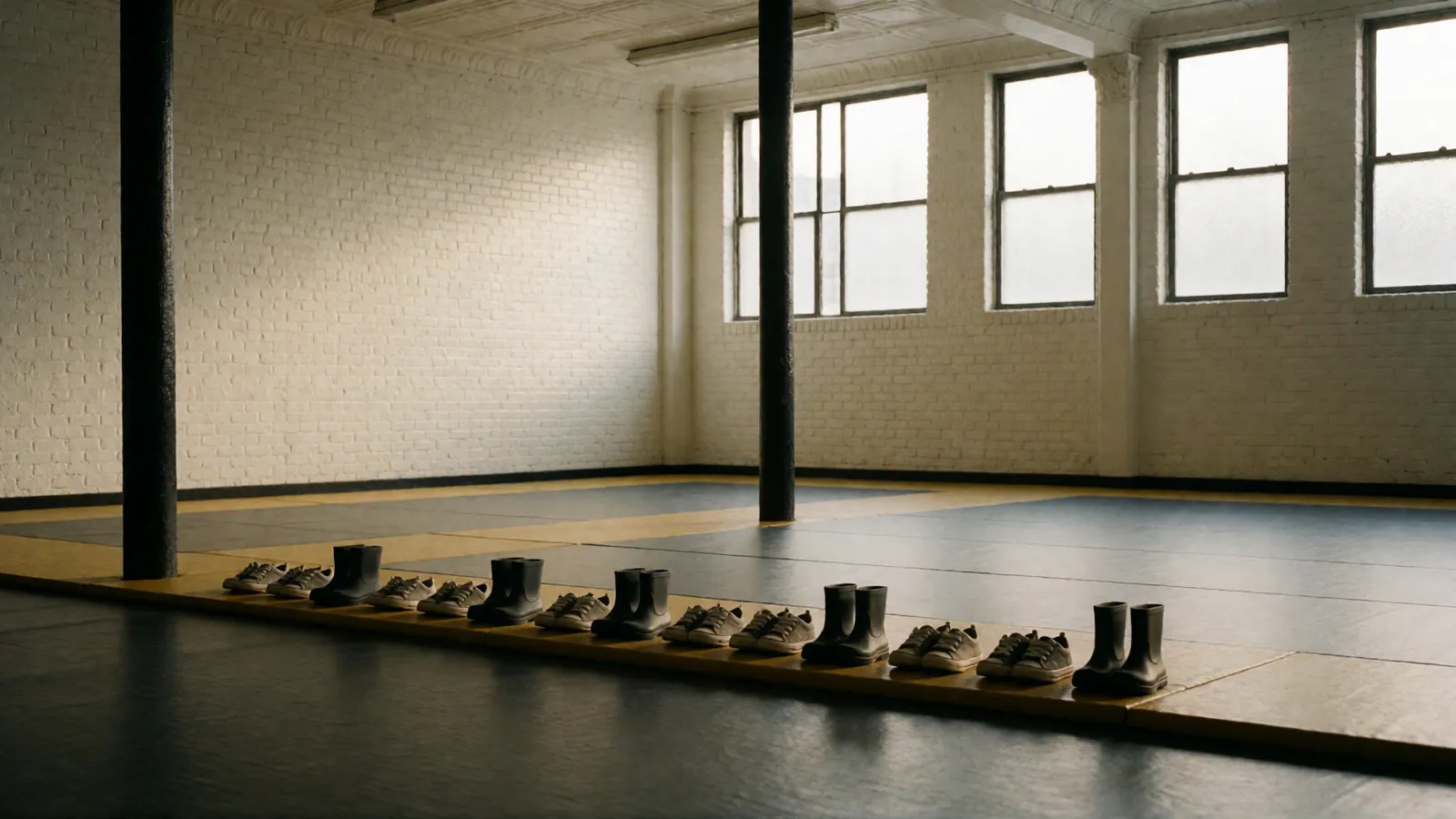
Children and teens
Classes by age, two adults on the mat in every children's class, and a cap on numbers printed beside each.
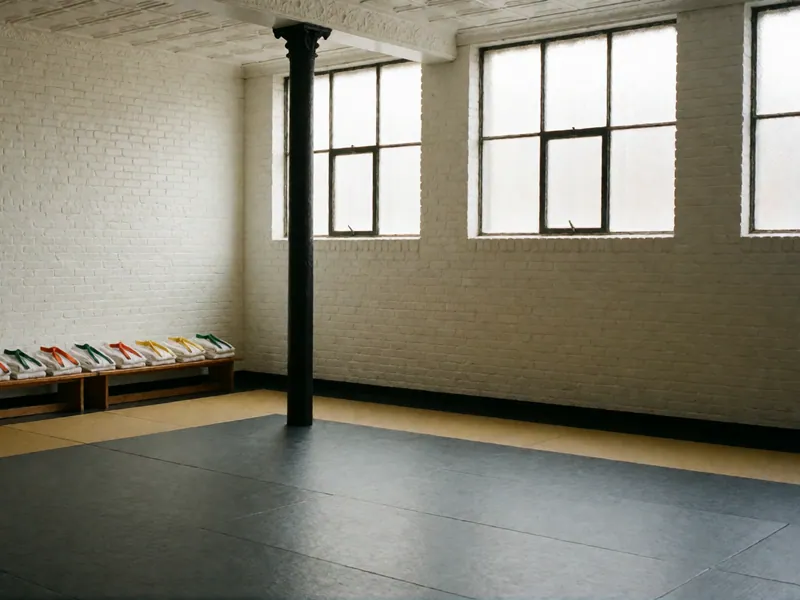
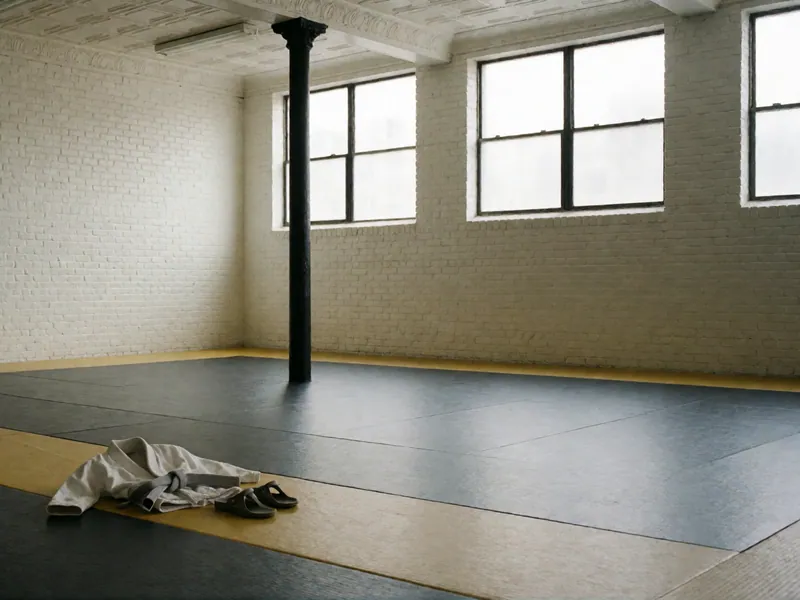
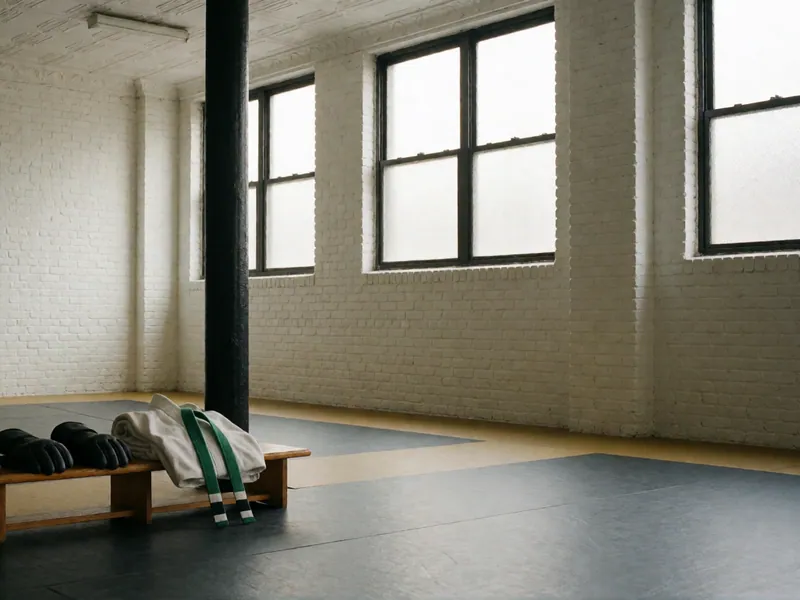
AI-generated illustration. Not a real school.
Early Steps, karate, jiu-jitsu and the teenagers' class. Each card opens the page for that class, with its price and tax beside it.
$109 a month plus tax
Listening to a count, balancing, falling safely and the first karate basics, through games.
$129 a month plus tax
Stances, strikes on pads, forms and, for the older group, light sparring with gear when the instructor says so.
$129 a month plus tax
Falling, escaping and holding, learned as games, then short rounds with a partner the same size.
$129 a month plus tax
Close to the adults' curriculum, in a class of their own, with sparring optional.
Six groups for children and teenagers, the youngest for children of four. The capacity is printed beside each, and it is the cap the class keeps.
| Class | Ages | Classes a week | Capacity | Adults on the mat | Places |
|---|---|---|---|---|---|
| Early Steps | 4 to 6 | 4 | 12 | 2 | Fixed places |
| Kids' Karate, Juniors | 7 to 9 | 3 | 16 | 2 | Fixed places |
| Kids' Karate, Seniors | 10 to 13 | 2 | 16 | 2 | Fixed places |
| Kids' Jiu-Jitsu, Juniors | 7 to 9 | 2 | 16 | 2 | Fixed places |
| Kids' Jiu-Jitsu, Seniors | 10 to 13 | 2 | 16 | 2 | Fixed places |
| Teen Jiu-Jitsu and Striking | 14 to 17 | 2 | 14 | 1 | Open to members |
Two part-time assistant coaches make every children's class two adults on the mat; one speaks Tagalog and one Bengali.
Not child care. These are martial arts classes, not child care. For our 4 to 6 group, a parent or another adult you choose stays in the waiting area during class. For older children, please drop off and collect at the door at the class times; we don't collect children from school and we don't run camps.
What children practice here. Children learn to listen to a count, take turns, fall safely, look after a partner and try again after a correction. What that becomes outside the school depends on the child, so we promise nothing about confidence, focus, behavior or grades.
Who teaches children. We check every instructor against the New York and national sex offender registries before they teach, and again every five years.
A child's class keeps a list of who is in it, because the class is planned around the adults on the mat. A trial class comes first if you like; then you ask for a place.
Lists, in order. The children's classes, the invited sparring class and every self-defense course keep a list of who is in them, because a child's class is planned around how many children each adult can watch. When one is full, a request joins its waiting list, in the order people joined it. Nobody can pay to move up it.
When a place opens. When a place opens in a full class, the first person on its waiting list is offered it by e-mail and we hold it for forty-eight hours. "Hold my place" keeps it for ten days while you come in to sign up; nothing is charged or binding until you sign, and after you sign you still have three business days to change your mind. If the offer runs out, it goes to the next person.
Keeping a child's place. A place in a fixed class stays yours while your month runs. Sign the next month at the desk before it ends and the place carries on; we send a reminder seven days before. If the month ends unsigned, the place goes to the next person waiting.
Children's plans are one month at a time, like every plan here.
A rank says what one instructor saw in another over years; it is not a license, nobody in New York issues one, and this site names nobody who awarded one.
 AI-generated illustration. Not a real school.
Children's program lead · Brown belt in Brazilian jiu-jitsu
Leads the children's program: Early Steps, the children's jiu-jitsu and the Friday open mat.
English and Spanish · Eight classes a week
 AI-generated illustration. Not a real school.
Karate instructor · Black belt in a traditional Japanese style of karate
Teaches the children's karate, the Tuesday Early Steps class and the adults' karate.
English and Japanese · Eight classes a week
 AI-generated illustration. Not a real school.
Muay Thai coach · No belt, because Muay Thai has none
Coaches every Muay Thai class, the invited sparring class and the Tuesday teen class.
English · Seven classes a week
 AI-generated illustration. Not a real school.
Head instructor · Black belt in Brazilian jiu-jitsu
Runs the school and teaches most of the adults' jiu-jitsu, the Rolling Hour and the Friday teen class.
English and Portuguese · Eleven classes a week
Book your trial class, free once a year per person with no card and nothing to cancel afterwards, into a real class on the timetable. For a child's class or a course, ask for a place, and if it is full you join its waiting list in order.